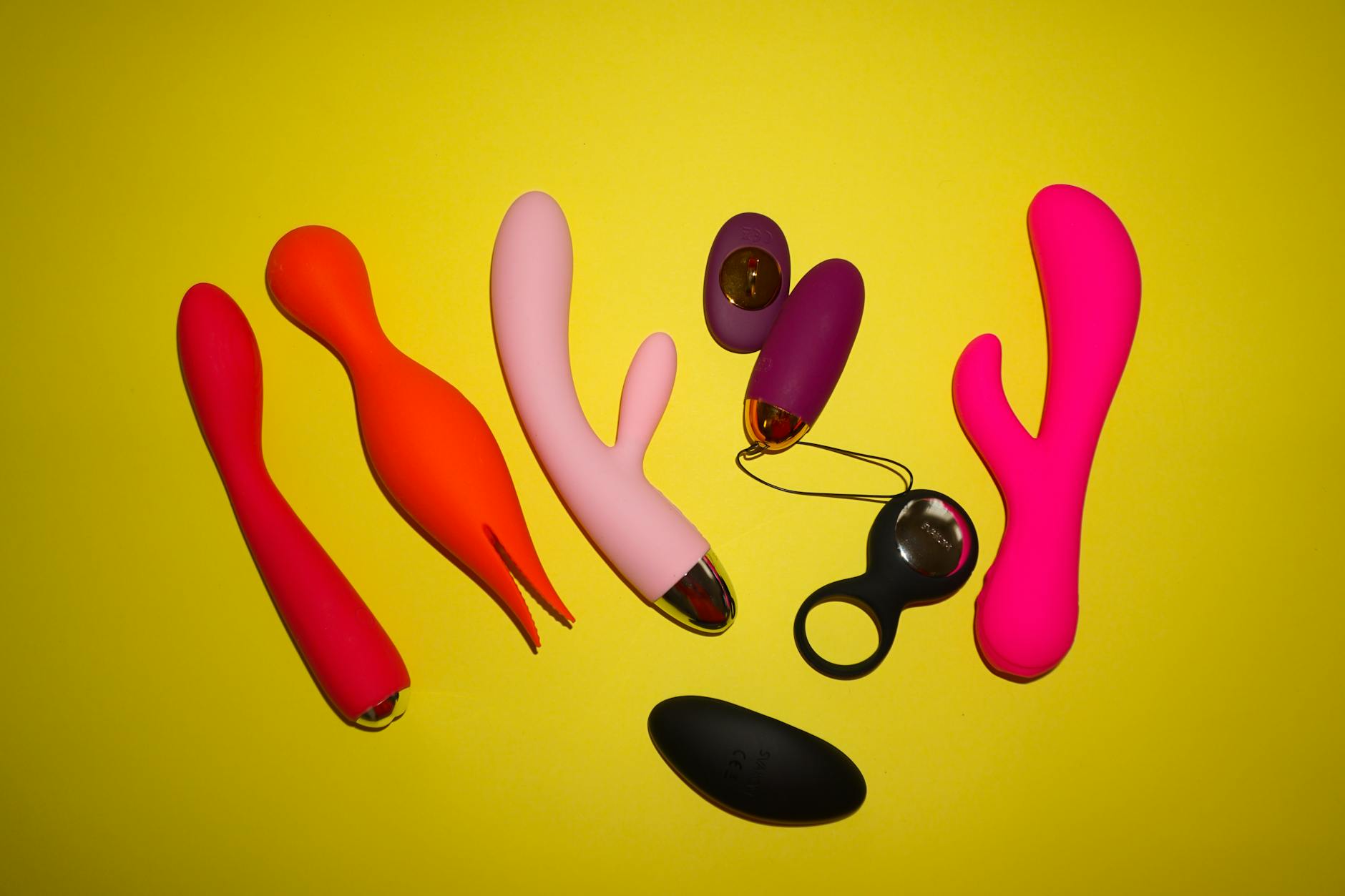
How Lemon Vibrators Improve Pleasure When You Take SSRI Antidepressants and Notice Reduced Sensation
Let's be real. SSRIs save lives. They also have a reputation for turning your sex drive into a flat line and making orgasm feel like you're trying to reach something on the other side of thick glass. You're not imagining it. And you're not alone. Between 40 and 60 percent of people taking serotonin reuptake inhibitors report sexual side effects. That's not a quirk. That's a feature of how these medications work. But here's what most doctors don't explain clearly: delayed sensation and reduced arousal are physics problems, not character problems. And lemon vibrators, specifically their design and intensity, can actually change the math.
I work with couples navigating this exact tension. The medication is essential. The pleasure has to come back. This is how.
What SSRIs actually do to your sexual response
SSRIs work by increasing serotonin availability in your brain, which stabilizes mood but also dampens the dopamine and norepinephrine spikes that drive sexual desire. Think of it like turning down the volume on the signal that says "this feels good, keep going." Your brain still receives pleasure signals. They just arrive quieter and slower.
The physical effects are specific. Arousal takes longer to build. The clitoris becomes less sensitive to light touch. Orgasm either delays significantly or requires intensities of stimulation that feel exhausting to achieve. For some people, the sensation flattens so much that normal touch feels almost numb. This isn't psychological. This is neurochemistry.
Here's what matters: the neural pathways for pleasure don't disappear. The clitoral nerves still exist. Your capacity for orgasm is still there. You're not broken. The signal is just quieter.
Why standard vibrators often fail on SSRIs
Most vibrators use a buzzlike frequency that relies on sensitivity to subtle vibration. If your sensory threshold has shifted upward because of medication, a standard vibrator might feel like you're holding a phone on silent mode. You feel something, but it doesn't create enough pressure or sustained intensity to cross the new threshold your nervous system is operating at.
This is where lemon clitoral vibrators work differently. They use a suction or pulsing mechanism that doesn't depend on micro-vibration sensitivity. Instead, they create a sustained pressure wave that works more like cumulative intensity than delicate tingling. For someone on SSRIs whose sensation has flattened, this approach often feels more noticeable and more effective.
The design matters. A lemon vibrator's suction pattern creates a rhythm that builds gradually, which actually suits medication-dampened arousal better than sudden intense vibration does.
Adjusting your technique when medication has changed sensation
Here are the specific adjustments I recommend to almost every client managing this:
Start lower than you think you need to. Your instinct will be to jump to intensity level 5 or 6 because you're expecting numbness. Resist this. Begin at pattern 1 or 2 and let your body relearn what stimulation feels like on the medication. Many people find that their sweet spot is actually one to two levels lower than expected once they stop compensating.
Budget more time for warm-up. On SSRIs, arousal is a slower climb. Give yourself 20-30 minutes instead of 10. This isn't wasted time. This is your nervous system recalibrating. Using a lemon vibrator on a lower setting during this longer warm-up phase often helps signal to your brain that pleasure is being built, which can increase dopamine naturally.
Use lubrication generously. Reduced sensation sometimes comes with reduced lubrication. Water-based lubricant isn't a sign of failure. It's a practical tool that reduces friction and often makes the vibration pattern feel more pronounced.
Explore rhythm patterns instead of raw intensity. Many lemon vibrators offer multiple pulse patterns. Try these before cranking up the power. The pattern variations often create more noticeable sensation than flat vibration at higher settings.
The medication conversation you need to have with your doctor
If sexual side effects are severe, they're worth discussing with your prescriber. This isn't complaining. It's reporting a significant side effect that affects your quality of life. You have options.
Some doctors will adjust timing. Taking your dose after sex instead of before can shift when the medication's effect peaks. Others will suggest adding a medication like bupropion that counteracts some sexual side effects. Switching to a different SSRI sometimes helps, because sexual side effects vary between medications. None of these conversations will feel natural. Have them anyway.
What you're not looking for is a doctor who tells you to "just accept it" or "it will get better." It might not. And you deserve to have both mental health support and sexual pleasure.
Why lemon vibrators pair better with SSRIs than other toy designs
I've noticed a pattern with clients who use lemon clitoral vibrators while on SSRIs. The suction mechanism creates what I'd call a "stacked" sensation. Each pulse builds on the last, creating cumulative pressure rather than isolated vibrations. For someone whose nervous system is processing sensation more slowly, this stacking effect seems to register more clearly than rapid, delicate vibration.
Additionally, the design encourages consistency. You position it, it does the work, and you don't have to adjust angle or pressure constantly. On SSRIs, mental fatigue around sex is real. One less thing to manage helps.
That said, this isn't universal. Some people on SSRIs find that lemon vibrators work perfectly. Others need something different. The point is to experiment with designs that create sustained pressure rather than expecting delicate vibration to work the same way it did before medication.
Partnered pleasure and SSRIs
If you have a partner, this is worth naming directly. "My medication is changing how sensation works. I need more intensity or more time, and that's not about you or attraction." Most partners feel relief hearing this. The alternative is them internalizing sexual change as rejection.
Using a lemon vibrator together can actually help. It removes the pressure for a partner to provide constant stimulation, which can feel exhausting if they don't understand why you suddenly need more. A vibrator becomes a tool you're both using toward pleasure, not a replacement for partnership.
When to consider talking to a sex therapist
If pleasure hasn't returned after three to six months on SSRIs, or if the sexual side effects are creating real strain in your relationship, a sex therapist trained in medical sexuality can help. They understand both the physiology and the emotional weight of medication's sexual impact. They're not going to tell you to stop taking your medication. They're going to help you work with it.
Many therapists will also give you permission to use toys without shame, which matters. Medical necessity plus pleasure deserves to exist without guilt.
The point: medication and pleasure can coexist
SSRIs don't end your sex life. They change the conditions. Lemon vibrators, with their design built for sustained intensity rather than delicate sensation, often work better in those new conditions. Combined with longer warm-up time, direct conversation with your prescriber, and permission to adjust your expectations, pleasure comes back. It looks different. Usually it feels better.
Frequently asked questions
Do all SSRIs cause the same level of sexual side effects?
No. Sexual side effects vary significantly between medications. Paroxetine (Paxil) and fluoxetine (Prozac) tend to have higher rates of sexual dysfunction than sertraline (Zoloft) or escitalopram (Lexapro). If your current medication is causing severe sexual side effects, ask your doctor whether switching to a different SSRI might help. Timing of the dose can also matter.
How long does it take for sensation to return if I stay on SSRIs?
There's no timeline. Some people adjust within a few weeks. Others experience persistent changes after months or years on the medication. The good news is that adjustment isn't the same as acceptance. You can learn to work with the new threshold, use tools like lemon vibrators that match that threshold, and still have satisfying orgasms. Plateau doesn't mean failure.
Can I use a lemon vibrator if I also take other medications?
Most medications don't interact negatively with vibrators. That said, check with your pharmacist or doctor if you're on anything that affects sensation, like nerve medications or other psychiatric medications. The interaction isn't usually with the toy itself but with how your nervous system processes sensation overall.
Is it normal to need a much higher intensity after starting SSRIs?
Yes. If you're used to internal sensations and suddenly need external intensity, or if light vibration stopped working, that's a common pattern. It doesn't mean you're losing capacity for pleasure. Your nervous system's sensitivity has shifted. Lemon clitoral vibrators often bridge that gap because they provide enough direct pressure to register clearly.
Should I tell my partner that I need to use a lemon vibrator because of my medication?
Yes, but frame it as practical information, not failure. Something like: "My medication has changed how sensation works. Using a toy isn't about you not being enough. It's about working with what my body needs right now." Most partners appreciate directness and the chance to participate in problem-solving.
What if a lemon vibrator still doesn't help my sensation return?
Try combining strategies. Use it with a partner for added mental stimulation. Adjust your dose timing with your doctor. Explore whether a different medication might have fewer sexual side effects. Sometimes the barrier is mental (anticipating numbness) as much as physical. A sex therapist can help sort that out. You're not stuck. You're recalibrating.