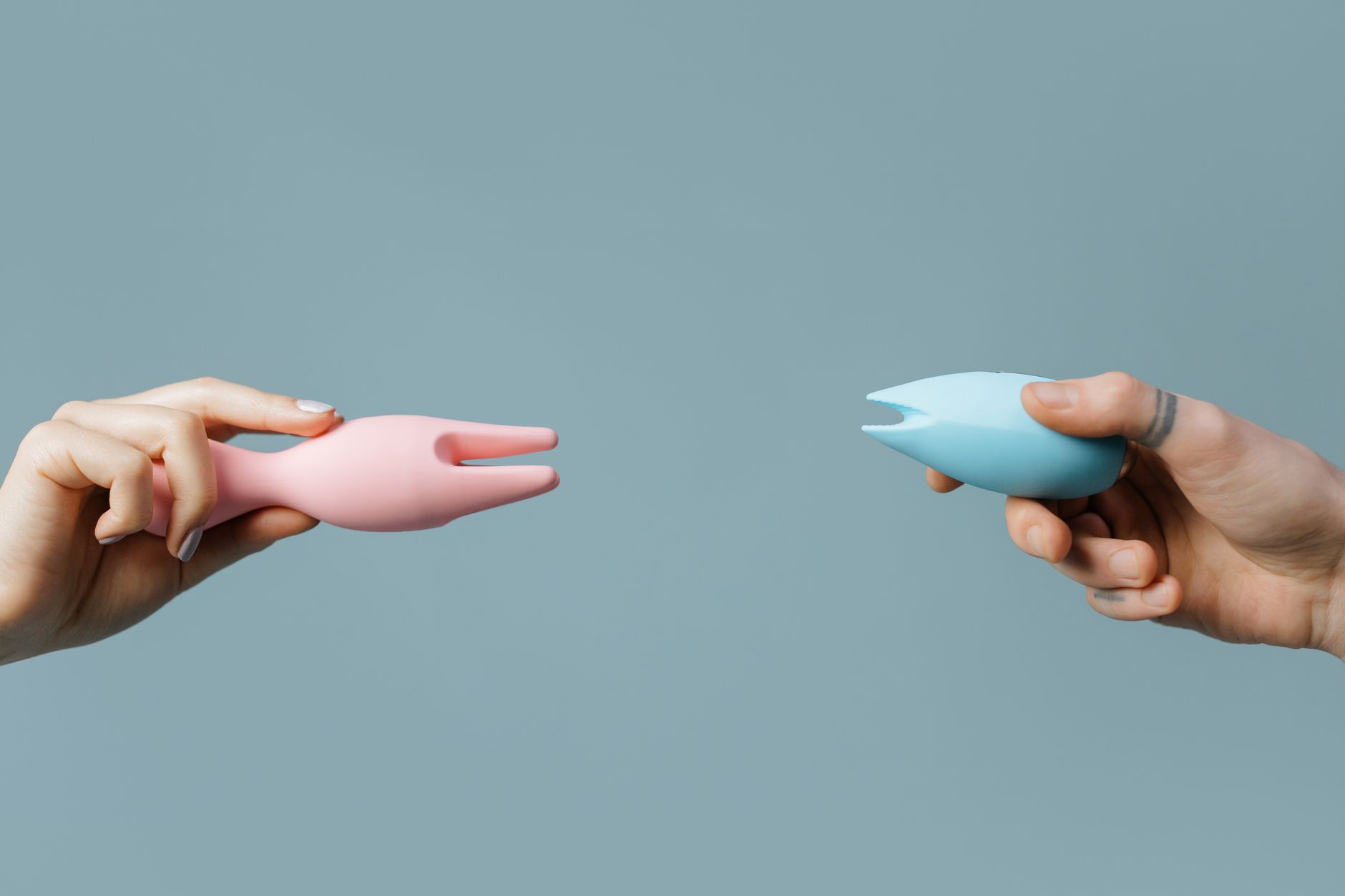
Here's the thing about introducing toys to a partner
It's not actually about the toy. It's about trust, timing, and whether you're both moving toward something together or one person is dragging the other. That distinction changes everything.
I've worked with dozens of couples who bought a vibrator and watched it sit in a drawer for six months because the introduction felt rushed, shame-filled, or like pressure instead of an invitation. I've also seen couples who brought a lemon vibrator into their bed and found it opened a conversation they'd been avoiding for years. The difference isn't the toy. It's the approach.
Why the conversation matters more than the purchase
Most people think the hard part is buying a vibrator. It's not. The hard part is the conversation before you buy anything.
If you're thinking about bringing a lemon clitoral vibrator into your partnership, the impulse usually comes from somewhere real: maybe you've realized you need direct clitoral stimulation to reach orgasm with your partner present. Maybe you've been faking it. Maybe you're curious about sensation and want to explore together. Maybe pleasure has dimmed over time and you're looking to rebuild it.
Your partner doesn't know any of that yet. To them, you buying a vibrator can feel like a sudden announcement that something is wrong, that they're not enough, that you've been silently frustrated. Even if logically they understand that's not what a vibrator means, the emotional brain doesn't always listen to logic.
So the conversation comes first. Not the purchase. The conversation.
How to start the conversation without making it feel like a complaint
Frame it around discovery, not deficit. "I've been thinking about what makes my body feel good, and I'm curious about exploring some things I think might feel amazing." That's different from "I can't come when we have sex, so we need to get a vibrator."
One is an invitation. The other is a problem statement with you as the problem.
Pick a moment when you're both relaxed and not in the middle of sexual activity. The afterglow of sex is terrible timing because you're both vulnerable. So is the moment before sex. Pick a regular Tuesday evening when you're just talking.
Be specific about what you're curious about. "I've been thinking about what clitoral stimulation feels like, and I've heard that lemon vibrators create a really specific kind of sensation." Give them actual information instead of "I want to try something new."
And be clear that this is about adding to your shared pleasure, not replacing anything. "I'm not looking to do this instead of us. I'm looking to do this with you. That's why I'm asking." It matters.

Photo by cottonbro studio on Pexels
What to expect when your partner's first reaction is resistance
If your partner says "no" or "I don't know" or "let me think about it," that's not a rejection of you. It's their nervous system needing time.
Male partners sometimes feel that a vibrator means their hands or bodies aren't enough. That's not logic talking. That's old messaging about what male sexuality is supposed to provide. Partners of any gender can feel this. The antidote is patience, not argument.
Don't push. Don't say "lots of couples use them" or "sex therapists recommend them." That's data. They need reassurance. "I love being with you. I love your body. This isn't about that. This is about me learning what I like so I can be more present with you."
Then let it sit. Not forever, but for a week or two. Give their brain time to process without your voice in the background.
The difference between introducing a vibrator solo and introducing one together
If your partner is open to the idea, the next question is whether you explore it alone first or whether you jump in together.
There's no right answer, but there's a strategic answer for your specific situation. If your partner is already a little nervous or skeptical, bringing home a lemon vibrator and casually mentioning you ordered it can feel like you've moved on without them. Better to say "I'd like to buy one together. Want to pick it out with me?"
The act of choosing it together removes mystery and gives them agency. They're not suddenly confronted with a bright blue object that appeared in your life. They helped select it.
If your partner is genuinely uncomfortable with toys, starting with solo exploration makes sense. You build familiarity with how a lemon vibrator feels on your body. You develop your own pleasure capacity without their presence. Then when you eventually use it together, it's not brand new territory for you. You're inviting them into something you're already confident about.
How to actually introduce the toy when the moment comes
Don't ambush it into the middle of sex. That creates performance pressure and makes it feel clinical.
Instead, bring it out when you're both already in bed, already close, already warm, but not yet mid-activity. Let your partner see it. Let them hold it if they want. Describe what it does. Show them the settings. Make it real instead of mysterious.
"This is a lemon clitoral vibrator. It uses gentle suction instead of direct vibration, so it doesn't feel harsh. I want to use it while we're together, but I also want you to feel totally comfortable. If it feels weird to you, we can stop."
Then listen. If they seem hesitant, you can offer them the option to touch it to your skin while you're using it. That creates physical connection instead of separation. You're not disappearing into solo sensation. You're both present.
If they're more confident, you can ask them to control the setting changes. Small partnership gestures matter disproportionately when something feels new or vulnerable.
Why lemon vibrators specifically work well for couples
The suction sensation is different from what hands can do, but it's not so radically different that it feels like you've left the room. A partner can still kiss you, still touch you, still be present. The vibrator isn't replacing their touch. It's augmenting the area their hands can't quite reach or create in the exact way your body needs.
Some partners actually find that watching their partner respond to direct clitoral stimulation is arousing. They get to see what genuine pleasure looks like on your face without you moderating for their comfort. That can be a real turn-on, which changes the whole dynamic from "she needs help" to "I get to watch her feel amazing."
If you're exploring together for the first time, you might also discover that your partner enjoys clitoral vibration too. Not everyone does. But many do. That opens up a whole other conversation about shared sensation.
What to do if things feel awkward afterward
Many couples experience a weird emotional hangover after introducing toys. It's not because anything went wrong. It's because you've just done something vulnerable in front of each other, and your nervous systems are recalibrating.
You might feel self-conscious about how intensely you responded. They might feel confused about their own reaction. You might both feel tender.
Talk about it the next day, not immediately after. "That felt really good. How did it feel for you?" Simple. Curious. Not interrogating.
If your partner seemed uncomfortable, don't spring it on them again too quickly. Give them time between experiences so they can build comfort at their own pace. One experience every week or two gives the nervous system room to adjust.
If your partner seemed into it, great. You can start to weave it in more naturally. This isn't a thing you do once as an experiment. This becomes part of your rhythm if you both want it to.
The long view: how this conversation builds intimacy
Introducing a lemon vibrator or any toy isn't just about orgasms. It's a conversation about your body's needs, your desires, your willingness to experiment together, and your partner's willingness to meet you there.
Couples who navigate this well report that the conversation itself changes how they talk about sex going forward. It becomes less transactional, less performance-based. More curious. More like you're actually exploring together instead of going through motions.
The toy is almost beside the point. The point is that you both decided something mattered enough to be vulnerable about it. That's the real shift.
Frequently Asked Questions
How long should I wait after bringing up the idea before we actually try it?
There's no fixed timeline. Some couples are ready to try within days. Others need weeks. The sweet spot is usually 7-14 days. That's enough time for your partner's nervous system to move from "surprise" to "curiosity" without so much time passing that the conversation feels stale or like you've moved on. Check in once midway through if the energy feels right, but don't pressure.
What if my partner says they're okay with it but they seem uncomfortable during?
You're reading their body language correctly. Stop. Not forever, but in that moment. "You seem unsure. Let's pause." That's brave. That's trust-building. Many partners feel like they have to power through discomfort because they already said yes. But saying yes to the general idea doesn't mean yes to every moment. Reassure them that you can stop anytime, and mean it.
Can I use a lemon vibrator if my partner isn't interested in toys at all?
Absolutely. Solo exploration is separate from partnered exploration. That said, if your partner has never seen you use a vibrator and you suddenly bring one into bed, it might blindside them. A gentle heads-up is kinder than surprise. "I've been using a vibrator on my own, and I'd like to sometimes use it when we're together." That's different from introducing a toy they don't know exists.
What if I want to introduce a lemon vibrator but I'm worried my partner will feel replaced?
That worry makes sense. The antidote is explicitness. Tell your partner directly: "I want to use this because I want to feel more pleasure with you, not instead of you. Your hands, your body, your presence matter. This is something I need for my body to feel what I need to feel." Then show them. Use it while they're touching you. Let them be part of it physically and emotionally.
Is it normal for a partner to want to use a clitoral vibrator together but never mention it again afterward?
Completely normal. Some partners need to process what happened before they can talk about it. Others really enjoyed it but don't want it to become a "thing." Check in casually. "I had fun with that last week. Would you want to again sometime?" Keep it light. If they say yes, cool. If they say "maybe eventually," respect that. Pressure kills curiosity.
How do I know if my partner is into it or just being supportive?
Listen to what they do, not just what they say. Do they ask questions about it? Do they initiate? Do they seem relaxed or tense? The clearest sign of genuine interest is when they want to do it again. If it's been three weeks and they haven't mentioned it, they were probably being supportive, not genuinely interested. That's okay. You can still explore solo while you're together, and they can decide later if they want to be more involved.
Moving forward
Introducing a lemon vibrator to a partner is fundamentally about communication and patience. It's about naming what you want without shame and creating space for your partner to feel secure in that wanting.
If you're feeling nervous about this conversation, that's normal. Most people are. But the couples who navigate this well report that the vulnerability itself strengthens their connection. You're saying "here's something that matters to me," and they're responding with openness instead of defensiveness.
That's the real win. The vibrator is just the vehicle.
Ready to explore? Start with the conversation. Everything else follows from there. If you have more questions about navigating pleasure and partnership, reach out at /contact and let's talk.